
Not another post about AI
But with one reference about AI, just in case you miss that

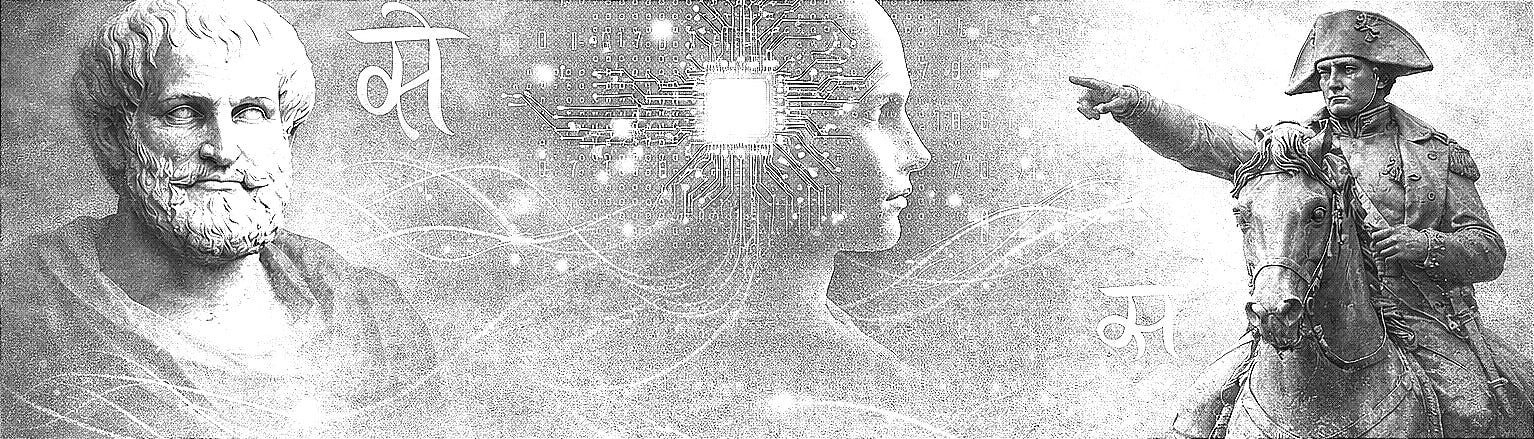
Will I talk about AI again? Yeah, it could happen — stay alert; it might slip in somewhere within this little post.
I’ve actually mentioned this in different posts already, in one way or another, but it’s still worth coming back to: all around us today, we see people whose knowledge — their entire intellectual repertoire — doesn’t line up with who they actually are, with how they act in the world, or with the real power they have, whether moral or political. The result is what we might call a deformed intellectual.
Without getting too philosophical about what knowledge actually is, here’s a simple assumption: people have a natural drive for knowledge — as Aristotle would have it — but some lean into it more than others. Some have an almost insatiable appetite for “knowledge,” while others couldn’t care less, and a few even seem to actively avoid it. Take people who are depressed, for instance: they often lose interest in learning altogether, because it feels pointless — they’ve stopped expecting that anything they discover about the world will actually matter or change anything for them.
Whenever we engage in any activity — including mental ones, to the extent that thinking can be called an activity at all — our drive to know is never really separate from our desires, our fears, or the things we want to avoid. It moves along with something deeper, what Samkhya philosophy calls the gunas: the fundamental metaphysical ropes that keep nature in constant motion.
Perhaps, for some, knowledge serves as validation of a social image or self-esteem, that of “someone who knows many things.” These people will suffer in the age of AI, when most informational knowledge becomes obsolete or low-cost and may no longer pass as a status marker (okay, that was for those who made it through the text just because of AI, thank you). For others, knowledge is a kind of pleasure: I feel good when I come by it, much like someone feels good tending a well-kept garden or figuring out puzzles.
Of course, we cannot forget that knowledge can also spring from anxiety — an almost animalistic urge to get a grip on the world, or even to gain some leverage over others. It might come from a deep fear of chaos, or simply from feeling pushed around by reality and by people with more power. In that sense, the intellectual would be — as Nietzsche saw it — a fundamentally weak figure, driven by envy or outsized (perhaps concealed) admiration for those who hold power. Think of Hegel’s famous awe at the sight of Napoleon.
But before closing this, I have to offer a piece of Zen advice (I’m always in the business of offering uncalled-for advice that could be useful for me as well):
Not knowing (about AI),
The grass grows,
The spring comes.
.